Understanding the Karat System
The word "karat" (abbreviated as K or kt) is the standard unit used to measure the purity of gold. The system divides gold into 24 equal parts, where 24 parts represent pure gold. Any number below 24 indicates that the gold is mixed with other metals called alloys.
So when you see 22K gold, it means 22 out of 24 parts are pure gold — the remaining 2 parts are other metals like silver, copper, or zinc. This mixing is done deliberately to make the gold harder, more durable, and suitable for jewellery-making.
"Not all gold that glitters is 24 karat — understanding gold purity is the first step to making a smart gold purchase, whether for investment or jewellery."
ETFs • Investment
South Asia • Middle East
Middle East • Gulf
Europe • USA
Gold Purity Visual Guide
The chart below shows exactly how much pure gold versus alloy metal is contained in each karat of gold. The wider the gold bar, the purer the gold:
24K Gold — The Purest Form of Gold

24 karat gold is the purest form of gold available, containing 99.9% (or 99.99% in investment-grade "four nines" gold) pure gold with virtually no other metals mixed in. Every major gold exchange — London Bullion Market Association (LBMA), COMEX, and the World Gold Council — uses 24K as the standard for pricing and trading.
Properties of 24K Gold
- Colour: Bright, vivid yellow — the richest gold colour of all karats
- Hardness: Very soft — only 2.5 on the Mohs scale (fingernail scratches it)
- Malleability: Extremely malleable — can be beaten into sheets thinner than paper
- Tarnish resistance: Does not tarnish, rust, or corrode at all
- Conductivity: Excellent electrical and thermal conductor — used in electronics
- Highest intrinsic value per gram
- Best resale value — closest to spot price
- Globally recognized investment standard
- No allergy risk — pure metal
- Ideal for gold bars and coins
- Does not tarnish or corrode ever
- Accepted by all gold exchanges worldwide
- Too soft for most jewellery — bends easily
- Scratches and dents with daily wear
- Cannot hold gemstones securely (prongs bend)
- Most expensive per gram
- Not suitable for intricate jewellery designs
- Requires careful storage to prevent deformation
💡 24K Gold Is Best For
Investment buyers who want maximum gold value per rupee spent. Gold bars, bullion coins (Maple Leaf, Britannia), gold ETFs, and digital gold platforms all use 24K as their standard. If you are buying gold purely as a financial asset — not to wear — 24K is your answer.
22K Gold — The South Asian Jewellery Standard
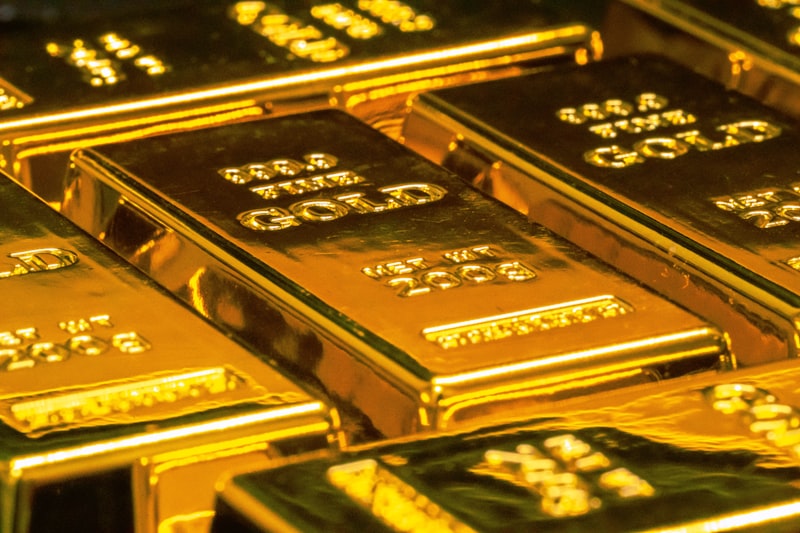
22 karat gold is the most widely traded gold standard in Pakistan, India, Bangladesh, Sri Lanka, and the Middle East. It contains 91.7% pure gold (stamped as 916) with 8.3% alloy — typically silver and copper — added to improve hardness and workability.
In Pakistan's Sarafa markets, when jewellers quote "today's gold rate," they are almost always referring to 22K gold. It is the cultural and commercial standard for the region and represents the perfect balance between high gold content and practical durability for jewellery.
What Makes 22K Special for South Asian Markets?
- Hard enough to be crafted into detailed jewellery without losing shape
- Retains the rich, warm yellow colour associated with traditional gold jewellery
- Strong resale market — every Sarafa dealer will buy 22K without hesitation
- Lower making charges than 18K intricate designs
- Perfect for traditional bridal jewellery (necklaces, bangles, earrings)
- Recognized across the entire South Asian and Middle Eastern diaspora worldwide
- Dominant standard — easiest to buy and sell in Pakistan
- High gold content (91.7%) — strong intrinsic value
- Durable enough for everyday jewellery wear
- Rich traditional yellow gold colour
- Widely available across all price ranges
- Good resale value in Sarafa markets
- Culturally significant for South Asian traditions
- Still relatively soft — can scratch with rough wear
- Making charges (8–25%) reduce investment returns
- Not ideal for very delicate or intricate designs
- Cannot hold diamonds as securely as 18K
- Slightly lower resale value per gram vs 24K
🛍️ The 916 Hallmark — What It Means
When you see 916 stamped on gold jewellery, it means the piece is 22K gold containing 91.6% pure gold. The number represents gold content in parts per thousand. Always look for this hallmark stamp when purchasing 22K jewellery — it is your guarantee of purity from the Pakistan Standards and Quality Control Authority (PSQCA) or equivalent certification body.
21K Gold — The Gulf Region's Preference
21 karat gold contains 87.5% pure gold (stamped as 875) and is particularly popular across the Gulf Cooperation Council (GCC) countries — UAE, Kuwait, Bahrain, Qatar, and Oman. It is less commonly found in Pakistan but is frequently purchased by Pakistanis working in the Gulf who bring gold back as gifts or savings.
Key Facts About 21K Gold
- Purity: 87.5% gold, 12.5% alloy (usually copper and silver)
- Hallmark: Stamped as 875
- Hardness: Harder than 22K, softer than 18K
- Primary markets: UAE, Kuwait, Egypt, Jordan, Saudi Arabia
- Colour: Slightly less vivid yellow than 22K due to higher alloy content
- Use case: Jewellery that needs more structural strength than 22K provides
ℹ️ 21K Gold in Pakistani Markets
While 21K is not the dominant standard in Pakistani Sarafa markets, it is widely understood and traded. Pakistanis returning from Gulf countries frequently bring 21K jewellery. When selling, Sarafa dealers will assess it at 87.5% of the 24K rate — always ensure proper weighing and purity verification.
- Most Pakistani jewellers will accept 21K gold for melting or direct purchase
- Ask for the gold to be weighed in your presence on a calibrated scale
- The price should be 87.5% × current 24K rate × weight in grams
18K Gold — The Durability & Design Champion
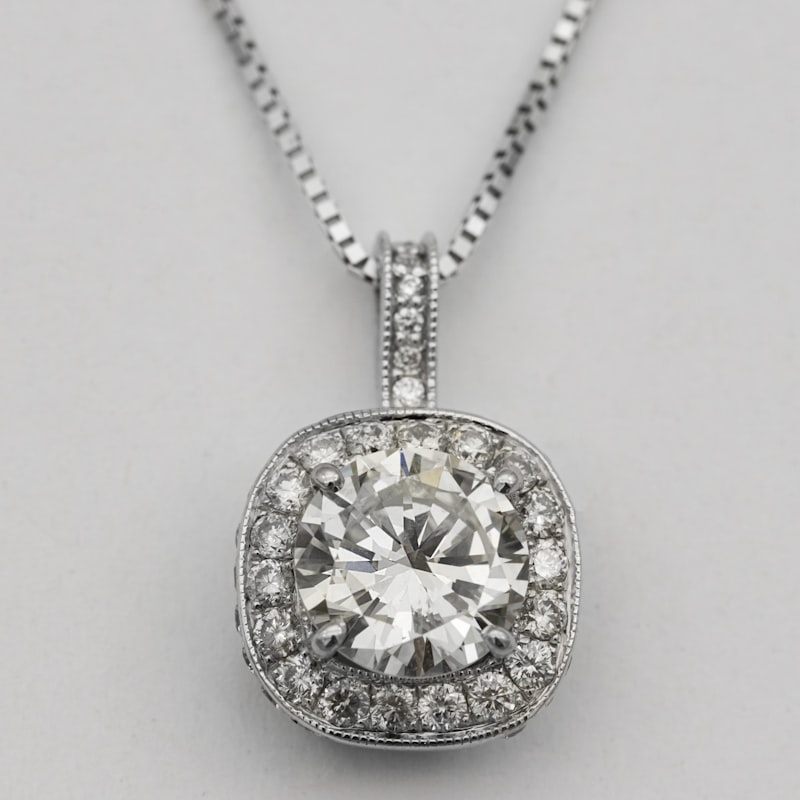
18 karat gold contains 75% pure gold (stamped as 750) and 25% alloy metals. This higher alloy content makes 18K significantly harder and more scratch-resistant than higher karat gold. It is the preferred standard for fine jewellery in Europe, the USA, Japan, and increasingly in urban Pakistan.
The higher alloy percentage in 18K also opens up unique colour possibilities — white gold (with palladium or nickel alloy), rose gold (with copper alloy), and green gold (with silver alloy) are all variations of 18K gold.
The Colour Variations of 18K Gold
- Gold75%
- Silver12.5%
- Copper12.5%
- Gold75%
- Palladium15%
- Silver10%
- Gold75%
- Copper22.5%
- Silver2.5%
- Gold75%
- Silver20%
- Copper5%
- Hardest of the common jewellery karats
- Best for diamond and gemstone settings
- Available in white gold and rose gold
- More scratch and wear resistant
- Ideal for intricate, detailed designs
- Popular for engagement and wedding rings
- Preferred by international luxury brands
- Lower gold content (75%) vs 22K/24K
- Less resale value per gram than higher karats
- Less culturally familiar in Pakistani markets
- White gold requires rhodium plating over time
- Some people allergic to nickel in white gold alloy
- Colour can appear less "golden" than 22K or 24K
Alloy Compositions — What Is Mixed With Gold?
The metals added to pure gold (the alloys) determine the final properties — colour, hardness, and durability — of the finished jewellery. Here is what is typically mixed with gold at each karat level:
- Pure Gold99.9%
- Trace elements0.1%
- Gold91.7%
- Silver5%
- Copper2%
- Zinc1.3%
- Gold87.5%
- Silver7%
- Copper4%
- Zinc1.5%
- Gold75%
- Silver / Pd12–15%
- Copper8–12%
- Zinc / Ni0–5%
Complete Karat Comparison Table
Here is the definitive side-by-side comparison of all four major gold karats across every important factor:
| Factor | 🥇 24K | 🥈 22K | 🥉 21K | 🏅 18K |
|---|---|---|---|---|
| Gold Purity | 99.9% | 91.7% | 87.5% | 75.0% |
| Hallmark Stamp | 999 / 9999 | 916 | 875 | 750 |
| Best For | Investment | Jewellery | Gulf Jewellery | Fine Jewellery |
| Hardness | Very Soft | Moderate | Moderately Hard | Hardest |
| Resale Value | Highest | High | Medium-High | Medium |
| Price Per Gram | Most Expensive | High | Medium-High | Lower |
| Colour Vibrancy | Richest Yellow | Warm Yellow | Medium Yellow | Various Options |
| White/Rose Gold | Not Possible | Not Standard | Rare | Yes — Popular |
| Diamond Settings | Not Ideal | Possible | Good | Excellent |
| Tarnish Resistance | Perfect | Excellent | Very Good | Good |
| Skin Sensitivity | Zero Risk | Very Low Risk | Low Risk | Possible (Ni alloy) |
| Pakistan Availability | Bars/Coins Only | Everywhere | Limited | Growing |
| Making Charges | 0.5%–2% | 8%–20% | 8%–18% | 10%–25% |
| Investment Rating | ⭐⭐⭐⭐⭐ | ⭐⭐⭐⭐ | ⭐⭐⭐ | ⭐⭐⭐ |
Price Differences by Karat — Live Rates
The price of gold varies directly with its purity. Here are the current approximate gold rates in Pakistan per tola for each karat, calculated from the live international spot price:
*Prices are indicative and calculated from live international spot price × PKR exchange rate. Actual jewellery prices will include making charges. View live rates →
💰 The Price-Purity Relationship
Every 1 karat step down saves you money per gram but also reduces the gold content of your purchase proportionally. Moving from 24K to 22K means paying 8.3% less per gram but also getting 8.3% less gold per gram. The gold-to-alloy ratio is the key number — always calculate the actual gold content in grams when comparing jewellery prices across different karats.
Gold Karat Guide for Pakistani Buyers

The Pakistan Sarafa Market Standard
Pakistan's gold market is structured primarily around 22K gold for jewellery and 24K for investment-grade bars and coins. The All Pakistan Sarafa Gems and Jewellery Association publishes daily gold rates that are universally followed across Karachi, Lahore, Islamabad, and other cities.
ℹ️ How Pakistani Sarafa Markets Price Gold
- The published daily rate is for 24K gold per tola
- 22K jewellery is priced at 91.7% of the 24K rate + making charges
- Making charges vary widely: simple bangles 8–12%, intricate sets 20–30%
- When selling jewellery, you typically get the gold content value only — making charges are NOT refunded
- Always ask the jeweller to show you the weight and karat separately before agreeing to a price
- Insist on a proper receipt showing weight, karat, rate, and making charges itemised
Hallmark Certification in Pakistan
The Pakistan Standards and Quality Control Authority (PSQCA) operates hallmarking centres that certify gold purity. When buying gold jewellery in Pakistan:
- Look for the hallmark stamp (999, 916, 875, or 750) on the jewellery
- Reputable jewellers in cities use PSQCA-certified hallmarking
- For investment gold, insist on LBMA-recognised or government mint certification
- Be extremely careful when buying gold from informal markets without hallmarking
- A simple at-home test: gold does not stick to a magnet — if it does, it is fake or heavily alloyed
Gold Gifting Culture in Pakistan
Gold gifting is deeply embedded in Pakistani culture — weddings (Meher, dowry, gifts), birth ceremonies, Eid, and formal occasions all involve gold gifts. Here is the smart guide for each occasion:
- Wedding gifts: 22K jewellery is the cultural standard — bangles, necklaces, earrings
- Investment gifts (Eid, graduation): 24K gold coins (1g, 5g, 10g) are increasingly popular
- Baby gifts: Small 22K or 21K pieces — baby bangles, pendant necklaces
- Meher (Islamic marriage gift): Often given as cash or 22K/24K gold by weight
Which Gold Karat Should YOU Buy?
The answer depends entirely on your purpose. Use this decision guide to find your perfect karat:
Summary Recommendations
- 🥇 Pure investment (bars/coins): Always buy 24K — maximum value, lowest premium, best resale
- 💍 Traditional Pakistani/Indian jewellery: 22K is the undisputed standard — rich colour, good durability, strong resale
- 🌍 Gulf region gifting or travel gold: 21K is widely accepted and slightly more durable than 22K
- 💎 Diamond jewellery, engagement/wedding rings: 18K is superior — harder, holds settings better, available in white/rose gold
- 👶 Children's jewellery: 22K — good balance of durability and value for small pieces
- 📈 Long-term wealth preservation: 24K bars/coins stored securely — the ultimate gold investment format
🔮 The Smart Hybrid Approach
For most Pakistani families, the ideal gold portfolio combines 24K bars or coins for investment (60–70% of gold holdings) with 22K jewellery for cultural, gifting, and dual-purpose use (30–40%). This gives you maximum investment efficiency while maintaining the cultural and practical aspects of gold ownership that are deeply important in Pakistani society.
Common Gold Karat Myths — Busted
Myth 1: "Higher karat always means better value"
Reality: Higher karat means more gold content and higher intrinsic value per gram — but for jewellery, it also means softer gold that scratches and bends more easily. For jewellery use, 22K offers better practical value than 24K.
Myth 2: "18K gold is fake or low quality"
Reality: 18K gold is 75% pure gold and is the global standard for fine jewellery from Cartier, Tiffany, Bulgari, and other luxury brands. Its higher alloy content is a deliberate design choice for durability and design flexibility — not a sign of lower quality.
Myth 3: "22K jewellery has good investment value"
Reality: While the gold content of 22K jewellery does hold value, the making charges (8%–25%) you pay when buying are NOT recoverable when selling. You will only get the gold content value back. True investment gold is 24K bars or coins with minimal premium.
Myth 4: "White gold is silver mixed with gold"
Reality: White gold is 18K yellow gold alloyed with white metals like palladium, nickel, or platinum to achieve a silver-white colour. It contains exactly 75% pure gold — the same as yellow 18K. The white appearance comes from the alloy, not silver content.
Myth 5: "The colour of gold shows its purity"
Reality: Gold colour is determined primarily by the alloy composition, not the karat alone. A piece of 18K rose gold (pinkish) contains more gold than 22K yellow gold from a colour appearance perspective is misleading — always check the hallmark stamp, not the colour.
Frequently Asked Questions
Conclusion: The Right Karat for the Right Purpose
Understanding gold karats is not complicated once you remember one fundamental principle: karat measures gold content, and higher karat means more gold but softer metal. The "best" karat depends entirely on what you need the gold to do.
For the Pakistani investor and buyer, the practical answer is almost always the same: buy 24K for investment wealth building and buy 22K for jewellery, gifting, and cultural occasions. These two karats serve different but equally important roles in a well-rounded approach to gold ownership.
Whatever karat you choose — always buy from reputable, hallmark-certified dealers, keep proper receipts, and verify the weight in your presence. Gold is your financial security — treat every purchase as the serious investment decision it is.
"The karat of your gold matters less than the integrity of your dealer. Buy the right karat from the right source — and your gold will serve you for generations." — Check today's live rates for all karats at GoldRateToday.xyz